
Palestine: what does the name really tell us?
The name Palestine has a long history. Henk Folkers examines the Roman renaming, the Philistines and the emergence of a modern Palestinian identity.

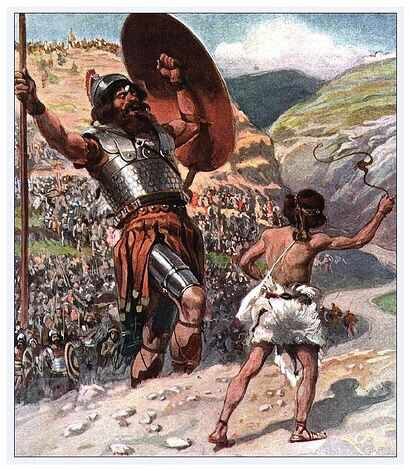
There is nothing Arab about the origin of the name Palestine. The Arabic form Filastin is derived from older names used centuries before the Arab conquests.
After suppressing the Jewish revolt of Bar Kokhba (132–135 AD), Emperor Hadrian renamed the Roman province of Judea Syria Palaestina. By then, the Second Temple had been gone for more than sixty years: it was destroyed by the Romans in 70 AD. Around 130 AD, Hadrian had transformed Jerusalem into the Roman colony of Aelia Capitolina, a step that many historians believe helped trigger the revolt.
What did Rome hope to achieve with the new provincial name? Many historians see it as an attempt to erase or weaken the visible connection between the Jewish people and Judea. The precise motive is debated, but the result was clear: the name Judea disappeared from the official Roman map. Jews were largely barred from Jerusalem after the revolt.
Where did Palaestina come from?
The name was connected to Philistia, the southern coastal strip around Gaza, Ashkelon, Ashdod, Ekron and Gath. Greek writers were already using a related geographical term centuries before the Romans. In the fifth century BC, Herodotus referred to a part of Syria called Palaistinē.
The Philistines arrived in the southern Levant around 1200 BC. Egyptian texts mention a people whose name is generally read as Peleset. Archaeological research points to strong ties with the Aegean world, although their culture was not static: over the centuries, they intermingled with other inhabitants of the region.
As a distinct, identifiable people, the Philistines eventually disappeared from history. There is no evidence that they returned en masse to an Aegean homeland; rather, they were absorbed into the local population after successive conquests. There is no proven direct ethnic, linguistic or cultural line from the Philistines to today's Palestinian Arabs.
The Hebrew word P'lishtim is sometimes linked to a root that can mean to intrude or enter. That etymology is uncertain, however; it may be a later Hebrew interpretation of a non-Semitic name. The Septuagint, the ancient Greek translation of the Hebrew Bible, translates P'lishtim in several places as allophyloi: people of another people.
Does this mean that a modern Palestinian identity was not invented until 1960? No. That is historically too simplistic. A Palestinian Arab national consciousness was already developing in the late Ottoman period and became more clearly visible in the 1920s. Around 1964, with the establishment of the PLO, it acquired an institutional form of its own, partly under the influence of Nasser's Egypt. The Soviet Union later supported various Arab states and Palestinian organizations, but it did not invent Palestinian identity.
Yasser Arafat was born in Cairo, grew up largely in Egypt and briefly served in the Egyptian army during the Suez Crisis of 1956. At the same time, he came from a Palestinian family. Both facts, too, belong in an honest account of history.
The name Palestine is therefore not proof of a nation-state thousands of years old with unchanged borders. But an ancient place name and a modern national identity are not the same thing either. The historical name evolved through Philistine, Greek, Roman, Byzantine, Islamic, Ottoman and British usage. The modern identity emerged later, as many national identities did.
The central point remains uncomfortable: Rome replaced Judea with Syria Palaestina after suppressing a Jewish revolt. The map was changed, and the name Judea disappeared from provincial administration.
The name remained.
So did the history.
Sources and further reading
Encyclopaedia Britannica: Palestine
Encyclopaedia Britannica: Bar Kokhba Revolt
Trust & Transparency
The Emet Standard →Sources & Documents
No source records have been published for this article yet. Named sources are cited in the text.
Corrections, Clarifications & Updates
No corrections, clarifications or updates recorded for this story.
Related Verified Reports
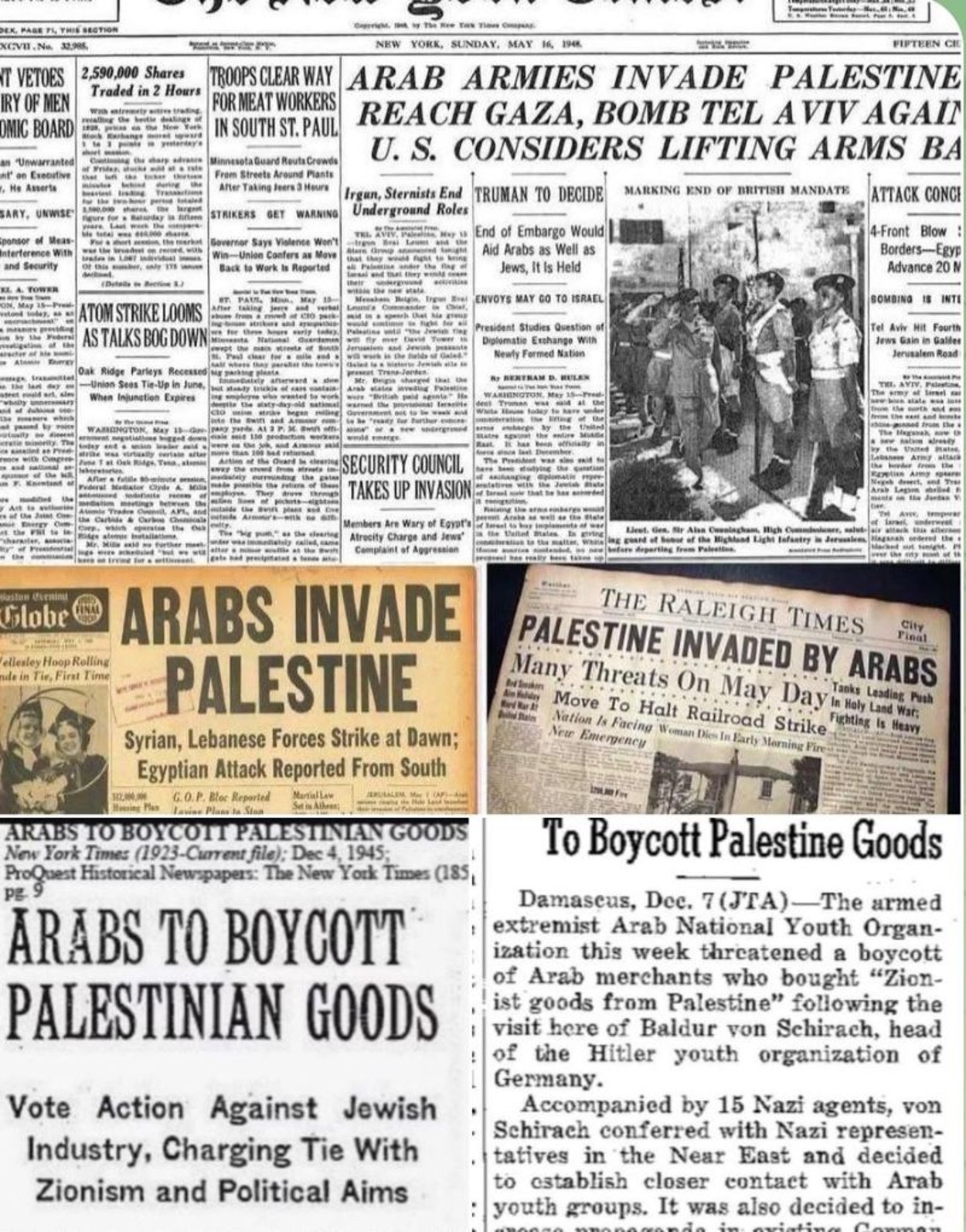
The fault of their own leaders
A personal column from Jaffa about the history of the name Palestine, the founding of Israel, and Dutch boycott policy.
The NOS's game of lines: how a conspiracy theory becomes "education"
In a NOSop3 video, the NOS presents an antisemitic conspiracy theory about "Greater Israel" as if it were current government policy. Editor-in-chief Henk Folkers sets out the facts.
Israel votes: numbers don't campaign
Henk Folkers on Israel's 27 October election: behind the slogans and stickers lie hard economic and military numbers.
Reader conversation
Comments
Checking your sign-in…
No approved comments yet.