
Kingdom Perspective · FAITH
Israel in the Bible: what Scripture says about the land and the people
What does the Bible teach about Israel? From the promise to Abraham to the prophecies of return and Israel’s place in the New Testament — a Scripture-faithful overview of the key texts.

9 October 2026 at 15:07 GMT+3 · 3 min read · Jerusalem (IDT)

The Perspective
**What does the Bible say about Israel?** Few themes run through all of Scripture like this one. From Genesis to Revelation, Israel appears as God’s covenant people and as the land where the story of salvation took place. This guide gathers the central texts in plain language.
**Where the name Israel comes from**
The name is born in Genesis 32:28, when Jacob wrestles with the Angel of the Lord by the Jabbok river: “Your name shall no longer be Jacob, but Israel, for you have struggled with God and with men, and have prevailed.” Israel means “he who struggles with God” — and becomes the name of the whole people descended from Jacob.
**The promise to Abraham**
It all begins with a calling. In Genesis 12:1-3, God tells Abram: “Go from your country... to the land I will show you. I will make of you a great nation... and in you all the families of the earth shall be blessed.” In Genesis 15:18 that promise is confirmed as a covenant, with borders “from the river of Egypt to the great river, the Euphrates.” Three elements echo through the whole Bible: the land, the descendants, and the blessing for all nations.
**From Egypt to the promised land**
Centuries later, God hears the groaning of the enslaved people in Egypt. At the exodus He declares: “I have come down to deliver them... and to bring them up out of that land to a good and broad land, a land flowing with milk and honey” (Exodus 3:8). Under Moses and then Joshua, the people cross the desert and enter Canaan — the visible fulfilment of the promise made to Abraham.
**Kingdom, exile and return**
The story continues with the judges, the kings — Saul, David and Solomon — and the division into two kingdoms: Israel in the north and Judah in the south. Unfaithfulness to the covenant leads to exile: first the northern kingdom before Assyria (722 BC), then Judah before Babylon (586 BC). But exile is not the last word. God promises through Jeremiah: “When seventy years are completed... I will bring you back to this place” (Jeremiah 29:10). Under the Persian king Cyrus the return happens (Ezra 1), and the prophets speak of an even greater gathering: “I will take you from the nations... and bring you into your own land” (Ezekiel 36:24).
**Israel in the New Testament**
Jesus is born in Bethlehem, in Judea, as a Jew, a son of David. He lives, teaches, dies and rises in the land of Israel. The apostles are Jews, and the first church is born in Jerusalem. Paul devotes three chapters of Romans (9–11) to the question of Israel’s place. His answer is clear: “God has not rejected his people whom he foreknew” (Romans 11:1-2), and “the gifts and the calling of God are irrevocable” (Romans 11:29). The Church does not replace Israel; believers from the nations are, in Paul’s words, “grafted in” to the original olive tree (Romans 11:17-24).
**Frequently asked questions**
*Does the promised land still matter?* For the Bible, yes: God’s promises to Israel are called irrevocable. *Are Israel and the Church the same?* Scripture relates them but does not confuse them: the Church shares in the blessing without nullifying the covenant with Israel. *Why pray for Israel?* Because the Bible itself asks: “Pray for the peace of Jerusalem” (Psalm 122:6).
Read the texts for yourself — they are all linked in the references below.
Trust & Transparency
The Emet Standard →Sources & Documents
Primary sources
Corrections, Clarifications & Updates
No corrections, clarifications or updates recorded for this story.
Spotted an error? Corrections & Updates →
Reader conversation
Comments
Checking your sign-in…
Read next
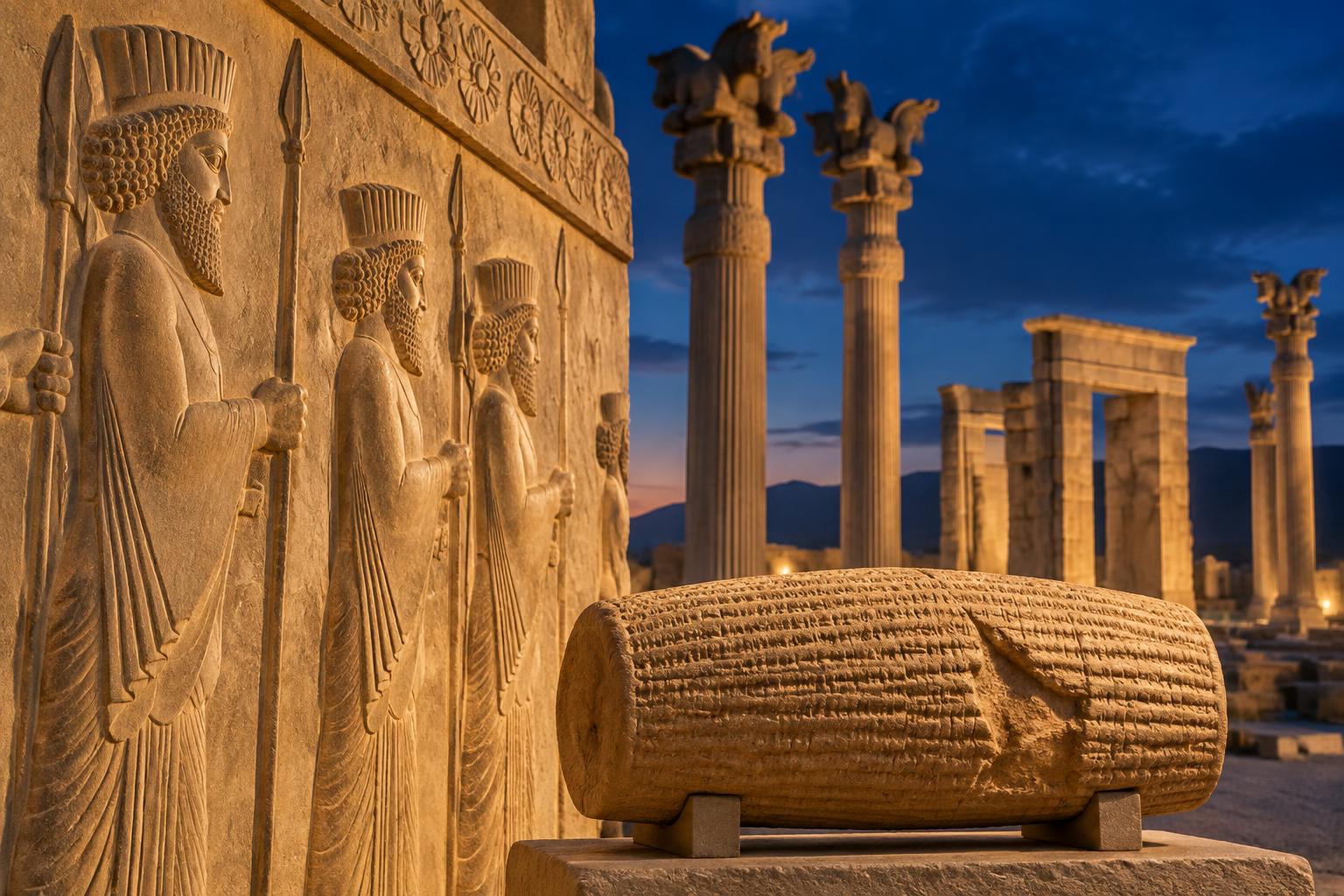
Iran in the Bible: what Scripture actually says about Persia
Iran is not named in the Bible, but the land is. Persia, Elam and Media run through Isaiah, Ezra, Esther, Daniel and Ezekiel — and the way those texts are read still shapes how Christians talk about Iran today.
Israel in the Bible: a clear guide for Filipino believers
What does the Bible say about Israel? A clear, Scripture-based guide for Christians in the Philippines — from God's promise to Abraham to Romans 11 — plus the little-known bond between the Philippines and the Jewish people.
The Abrahamic Covenant: is God's promise to Abraham still valid today?
What is the Abrahamic covenant? God's covenant with Abraham in Genesis 12, 15 and 17 explained — the promises of land, descendants and blessing — and why Romans 11:29 says it still stands.
No approved comments yet.