
Iran in the Bible: what Scripture actually says about Persia
Iran is not named in the Bible, but the land is. Persia, Elam and Media run through Isaiah, Ezra, Esther, Daniel and Ezekiel — and the way those texts are read still shapes how Christians talk about Iran today.
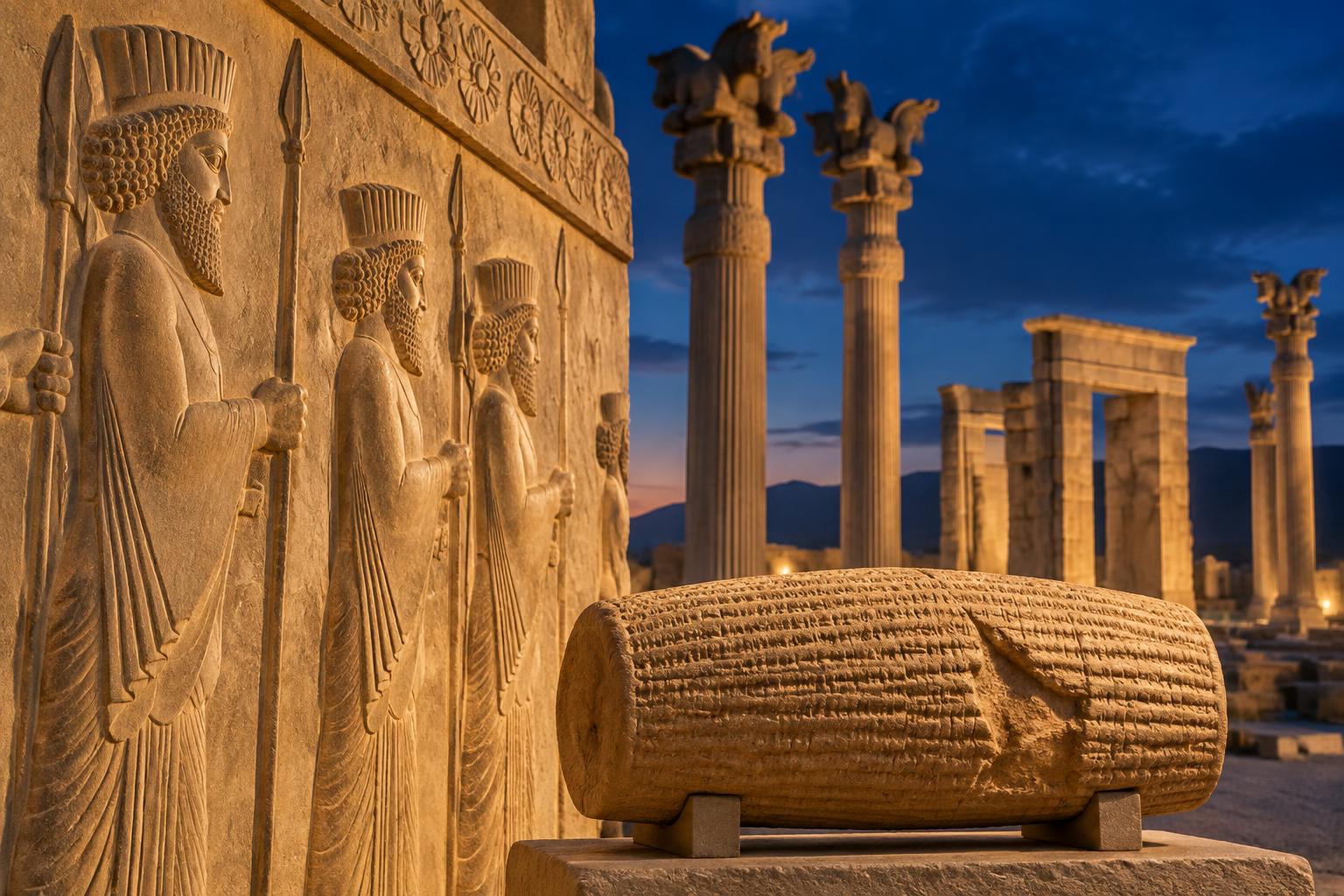
Search for "Iran in the Bible" and you will find two very different kinds of answers. One treats the country as a coded actor in an end-times script. The other opens the text and reads what is there. GOD News takes the second route, because the biblical record about the land we now call Iran is more substantial, and more surprising, than the speculation built on top of it.
The name Iran does not appear in Scripture. The name Persia does — along with Elam, Media and the cities of Susa and Ecbatana, all within the territory of the modern Islamic Republic. The change of name is recent: the Persian government asked foreign states to use Iran in official correspondence from 1935, while Persia remained common in English for decades afterwards. So when a Bible reader meets Persia, they are meeting the same geography, not a different one.
The first thing Scripture says about Persia is startling: God works through a Persian king who does not worship him. Cyrus is called God's "anointed" and "shepherd" in Isaiah, language reserved elsewhere for Israel's own rulers. In Ezra, Cyrus issues a decree allowing exiled Jews to return to Jerusalem and rebuild the temple, and later Persian kings — Darius, Artaxerxes — fund and protect the work. The book of Ezra preserves the paperwork: royal memoranda, archive searches, treasury orders.
That account has an outside witness. The Cyrus Cylinder, a clay document held by the British Museum, records Cyrus presenting himself as a restorer of temples and a returner of displaced peoples after taking Babylon in 539 BC. It says nothing about Judah specifically, and it is imperial propaganda rather than neutral reporting. But it confirms the policy pattern the biblical writers describe, which is why historians treat the return from exile as well anchored rather than merely devotional.
The second Persian thread is Esther. The book is set in Susa, in the reign of a king the Hebrew text calls Ahasuerus, usually identified with Xerxes I. Its subject is a Jewish minority inside a Persian empire, threatened by a decree it cannot appeal, saved by intervention at court. God is never named in the Hebrew text of Esther. The deliverance is narrated through timing, courage and reversal — which is part of why the book has carried so much weight for Jewish communities living under other people's laws, and why the festival of Purim remembers it.
Daniel adds a third thread. Daniel serves under Babylonian and then Persian administration, and his visions describe a succession of empires in which Media and Persia figure directly. Daniel is also where the Bible's Persian material becomes contested: the visions use symbolic beasts and numbers, and interpreters have disagreed for two millennia about how far they reach beyond the ancient world.
That brings us to the passage most often quoted in modern commentary. Ezekiel 38 lists Persia among the allies of Gog, a coalition that comes against Israel "in the latter years." Because Persia is Iran, a large body of popular prophecy writing reads this as a forecast of present-day Iranian policy. Three cautions belong alongside that reading. Ezekiel names peoples, not modern states, and the other names in the list — Gomer, Beth-togarmah, Cush, Put — are identified differently by different scholars. The passage gives no dates. And the church has a long, poor record of assigning prophetic timetables to current headlines, then quietly revising them. Christians can hold Ezekiel 38 as Scripture without claiming to know which news cycle it describes.
The fourth thread is the one most often missed: Iran is in the New Testament. Acts 2 lists Parthians, Medes and Elamites among those in Jerusalem at Pentecost who heard the apostles in their own languages. Persian-speaking believers are present at the church's first public moment. Christianity in the region is not an import of the colonial era; the Church of the East was established in Persian territory for centuries before Islam.
And there is a present tense. Iran's constitution recognises Armenian and Assyrian Christian minorities, while conversion from Islam is treated as a criminal matter in practice: the United States Department of State's religious freedom reporting documents arrests, prosecutions and prison sentences for members of house churches, most of them converts. Christian organisations working in the region consistently report growth in those unregistered churches, though numbers are estimates, cannot be independently audited inside Iran, and vary widely between sources. GOD News reports them as claims by the organisations making them, not as established figures.
Read together, the biblical material about Persia points somewhere specific. It shows God acting through an empire that never confessed him, protecting a minority that had no legal standing, and gathering Persian speakers into the church on its first day. That is a harder, better story than prophecy arithmetic — and it is the reason Christians who pray about Iran should be praying for people there, not for the fulfilment of a schedule.
Reader conversation
Comments
Checking your sign-in…
No approved comments yet.