
Shalom the Peace That Makes Us Whole
Shalom is far more than the absence of conflict. It is the wholeness, well-being and restored relationship that come from God Himself. From His covenant promise to Abram to Jesus, our Prince of Peace, discover the beautiful depth of Jehovah Shalom—the God whose presence brings pe


Shalom the Peace That Makes Us Whole
Shalom is not a shallow word
Shalom. 1.
We usually translate this beautiful Hebrew word simply as peace. But shalom is not a shallow word.
In English, peace generally describes tranquillity, freedom from conflict, harmony between people, or the end of war. These meanings are certainly included in shalom, but the Hebrew word reaches much further.
Shalom – םֹולָׁש – can speak of:
• completeness and wholeness;
• soundness and well-being;
• safety and security;
• health and welfare;
• harmony and friendship;
• restored relationships;
• peace with God and with one another.
It is not merely the absence of something bad, such as war, anxiety or conflict. It is the presence of what is good, whole and properly ordered.
Yet we must also be careful: shalom does not mean that every one of these things is present every time the word is used. Its precise meaning depends on the passage. Sometimes it means peace; elsewhere it is translated as welfare, safety, health, prosperity or ‘all is well.
‘ The Hebrew concordance lists approximately 237 occurrences of the word.
English definition adapted from Merriam-Webster, Peace. Hebrew occurrence count: Strong’s H7965.
Shalom – The Peace That Makes Us Whole 2
Who created shalom?
We do not know which human being first spoke or formed the Hebrew word. It belongs to an ancient family of Semitic words built around the letters Š-L-M, carrying ideas of completeness, soundness and making something whole.
But Scripture reveals the true Source of shalom. God says that He makes shalom in Isaiah 45:7. Gideon built an altar and called it:
‘The LORD Is Peace.’ – Judges 6:24
God does not merely possess peace or distribute peace. Peace belongs to His character. He is the One from whom true wholeness comes. The God who makes shalom is not distant from the broken places. He enters them, redeems them and brings them beneath His loving rule.
Shalom – The Peace That Makes Us Whole 3
When was the first shalom?
The first occurrence of the Hebrew noun shalom in Scripture is found in
Genesis 15:15. God said to Abram:
‘You, however, will go to your ancestors in peace and be
buried at a good old age.’
What a beautiful first appearance.
The first biblical shalom was not spoken as a casual greeting between two people. It was spoken by God as a promise to Abram – and it was spoken in the chapter in which God established His covenant with him.
Earlier in that same chapter we read:
‘Abram believed the LORD, and He credited it to him as righteousness.’ – Genesis 15:6
Faith, righteousness, covenant and shalom are
already being woven together.
Abram’s life would not be without waiting, uncertainty or difficulty.
Nevertheless, his life rested within the covenant faithfulness of God. His shalom did not depend upon trouble never coming. It depended upon the God who had made him a promise.
Shalom – The Peace That Makes Us Whole 4
What do we need for shalom?
Ultimately, we do not merely need peaceful circumstances.
We need the Prince of Peace.
Sin shattered humanity’s relationship with God, with one another and even with creation. We therefore cannot manufacture complete shalom by making our surroundings quiet or trying to control everything.
Isaiah prophesied that the Messiah would be called the Prince of Peace.
Isaiah 53:5 says that the punishment that brought us peace was laid upon Him.
Paul then tells us:
‘Since we have been justified through faith, we have
peace with God through our Lord Jesus Christ.’ – Romans 5:1
Before we can fully experience the peace of God, we
first need peace with God.
And that peace has been made possible through Jesus.
Paul says something even greater than ‘Jesus gives us peace’:
‘He Himself is our peace.’ – Ephesians 2:14
Shalom is not merely something Jesus places into our hands. It is found in relationship with Jesus Himself.
Shalom – The Peace That Makes Us Whole 5
Is peace a promise of God?
Yes – but it is not a promise that Christians will never experience trouble.
Jesus said both: ‘My peace I give you.’ – John 14:27and ‘In this world you will have trouble.’ – John 16:33
Jesus promised peace and trouble in the very same teaching. Therefore, biblical peace cannot mean that nothing painful will ever happen. It means that trouble does not have the authority to separate us from Christ or overturn the promises of God.
Peace is promised in several ways:
• Peace with God is ours through reconciliation with Him.
• The peace of God guards us as we trust and pray.
• The fruit of peace grows in us through the Holy Spirit.
• Complete shalom will come when Christ restores all things.
Shalom has begun, but we are still waiting for its fullness.
Shalom – The Peace That Makes Us Whole 6
How and when do we attain shalom?
There are three beautiful dimensions to this.
ONE – PEACE WITH GOD
First, we receive peace with God when we are justified through faith in Jesus Christ. This is our restored relationship with God.
TWO – THE PEACE OF GOD
Second, we experience the peace of God in our daily lives as we trust Him, bring our cares to Him and allow the Holy Spirit to govern our hearts.
Philippians 4 teaches that prayer, petition and thanksgiving are followed by… God’s peace guarding our hearts and minds.
THREE – THE FULLNESS OF SHALOM
Third, we will experience the fullness of shalom when Christ completes His work and makes all things new. What began with reconciliation will end with creation restored – nothing sinful, broken or hostile remaining. Peace with God is received. The peace of God is experienced. The fullness of shalom is coming.
Shalom – The Peace That Makes Us Whole 7
Do we need faith to have shalom?
Yes – but faith does not purchase peace, and peace is not a reward for having perfectly strong faith. Faith is the open hand that receives what God gives.
Abram believed God, and God spoke shalom over his future. Romans 5:1 connects justification by faith directly with peace with God.
Isaiah 26:3 connects perfect peace with a mind resting upon and trusting in God. This does not mean that a person of faith never feels afraid or troubled. Sometimes faith trembles while still holding onto God. Shalom does not rest upon the perfection of our faith.
It rests upon the faithfulness of the One in whom we believe. Even a trembling hand can receive a faithful promise.
Shalom – The Peace That Makes Us Whole 8
Can we share shalom?
Yes. We cannot manufacture God’s peace inside another person, but we can carry, proclaim and practise His peace.
Jesus taught His disciples to say: ‘Peace to this house.’ – Luke 10:5
God instructed the priests to speak His peace over His people in the blessing of Numbers 6:24-26. Jesus called peacemakers children of God. Jeremiah told the exiles to seek the shalom – the welfare – of the city in which they lived. Sharing shalom is therefore much more than saying a pleasant greeting. It means becoming someone through whom God brings reconciliation, mercy, safety, justice, forgiveness and restoration.
To wish someone shalom is, in a sense, to pray: May God bring every part of your life under His loving rule and make whole everything that has been broken.
Shalom – The Peace That Makes Us Whole 9
How many times is peace mentioned?
The most accurate answer depends upon what we are counting.
OLD TESTAMENT NEW TESTAMENT Shalom 237 approximate occurrences
Eirēnē 92 occurrences
These are counts of the principal original Hebrew and Greek words – not counts of the English word peace. English totals differ between translations because shalom may be translated as peace, well, welfare, safety, health or prosperity.
Likewise, an English translation may sometimes use peace for another original-language expression. The safest wording for the study is: The primary biblical words for peace occur
approximately 237 times in the Old Testament and 92 times in the New Testament.
Counts: Strong’s H7965 – shalom and Strong’s G1515 – eirēnē.
Shalom – The Peace That Makes Us Whole 10
The heart of shalom
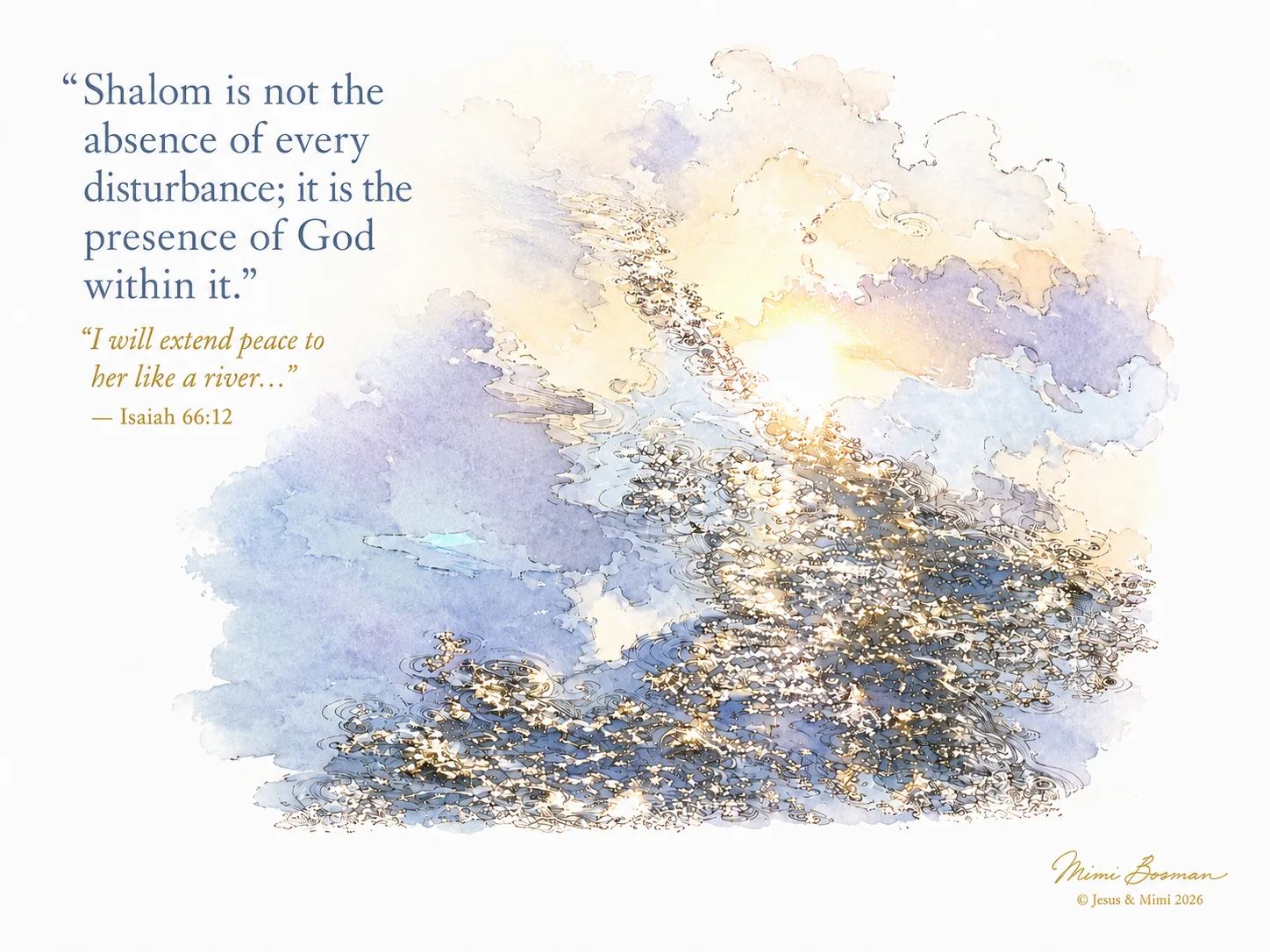
Shalom is not the fragile calm we find when everything
around us finally behaves. It is the wholeness God gives us through Christ, grows within us by His Spirit, expresses through us as peacemakers, and will one day complete when He makes all things new. The first shalom in Scripture was a promise spoken by God.
And from Genesis to Revelation, the story continues: God is gathering what sin scattered, reconciling what was estranged, healing what was wounded, and bringing all things to their true wholeness in Jesus Christ.
Shalom.
May the Lord of peace Himself give you peace at all
times and in every way.
Shalom – The Peace That Makes Us Whole 11
Scripture & study notes
Key passages: Genesis 15:6, 15; Numbers 6:24-26; Judges 6:24; Isaiah 9:6; Isaiah 26:3; Isaiah 45:7;
Isaiah 53:5; Jeremiah 29:7; Matthew 5:9; Luke 10:5; John 14:27; John 16:33; Romans 5:1; Galatians
5:22; Ephesians 2:14; Philippians 4:6-8; 2 Thessalonians 3:16; Revelation 21:1-5.
Language notes Hebrew: shalom (Strong’s H7965). Greek: eirēnē (Strong’s G1515). Counts in this booklet refer to these principal original-language nouns.
Sources Merriam-Webster, Peace. Bible Hub, Hebrew 7965: shalom. Bible Hub, Greek 1515: eirēnē.
Scripture passages may be viewed together at Bible Gateway.
Scripture quotations are from the Holy Bible, New International Version® (NIV®), unless otherwise indicated. Used here in
a short, noncommercial devotional study.
“Quiet words. Joyful colours. Everything pointing to the Creator.”
© Jesus & Mimi 2026
Images from this article

Trust & Transparency
The Emet Standard →Corrections, Clarifications & Updates
No corrections, clarifications or updates recorded for this story.
Related articles

The Beautiful Journey of God’s Saving Grace
Justification. Sanctification. Glorification. Three remarkable words that reveal the beautiful journey of God’s saving grace—from being declared righteous through Christ, to being transformed by His Spirit, to the day when His work in us will be complete. He begins the work, He c
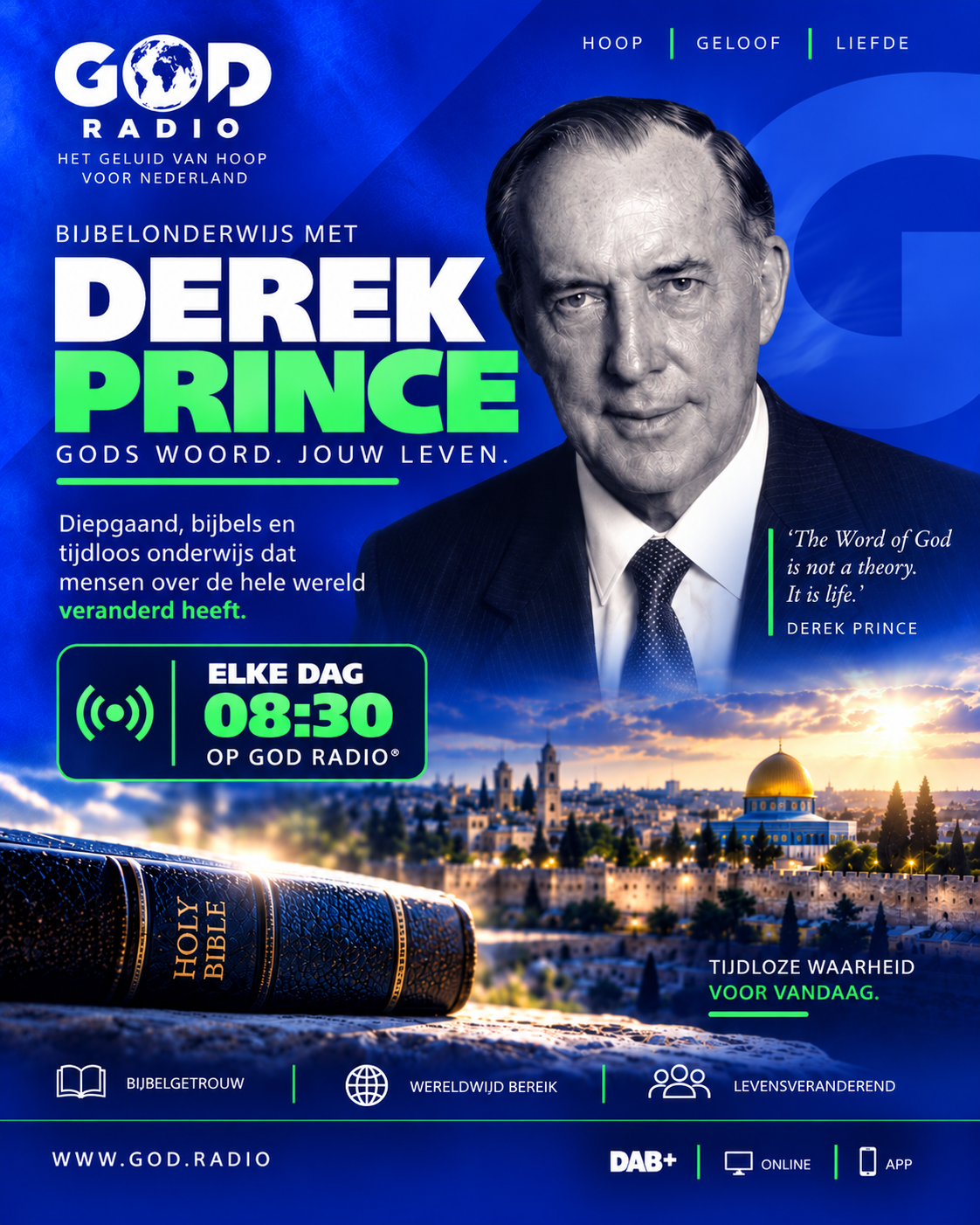
Derek Prince radio: a daily series on walking with God
Derek Prince Ministries Netherlands airs a daily radio and podcast programme. This week's series explores what it means to know God personally, listen to His voice and walk with Him every day.
ELIJAH — LOOK AT HIS GOD
Elijah’s story is full of fire, courage, miracles, exhaustion, quiet restoration, and the gentle care of God. He was a man with a nature like ours — and through his very human life we see an extraordinary God who answers, nourishes, restores, speaks, preserves, and ultimately poi
Reader conversation
Comments
Checking your sign-in…
No approved comments yet.