
Renewed fighting in northern Ethiopia puts Pretoria peace agreement under strain
Tigrayan forces seized three regional airports and clashes spread into neighbouring areas, prompting calls from the UN and EU for de-escalation and protection of civilians.
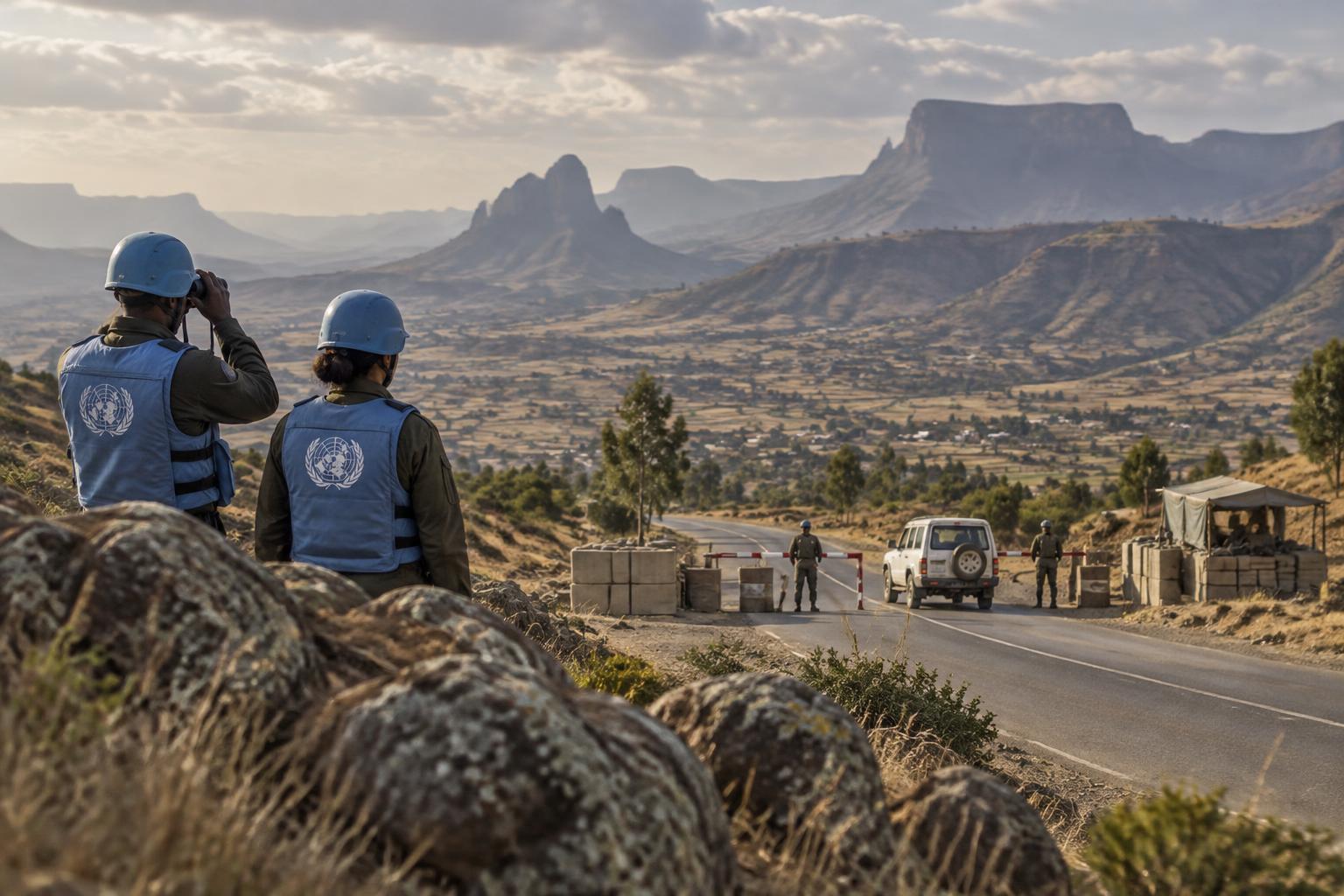
Renewed fighting between forces aligned with Ethiopia’s federal government and the Tigray People’s Liberation Front has raised fears of a return to full-scale war in northern Ethiopia.
Tigrayan forces took control of airports at Mekelle, Axum and Shire on September 23, according to Ethiopian officials, local residents and international reporting. Ethiopian Airlines suspended flights to all three airports. Fighting was also reported in parts of the neighbouring Afar and Amhara regions.
The two sides gave opposing accounts of how the escalation began. The Tigray regional authorities said their forces had entered what they called a “defensive war” after federal bombardment. A federal adviser accused the TPLF of launching an offensive against government positions. Reuters reported that the federal government did not immediately issue a full response to the Tigray statement.
The claims about specific attacks could not all be independently verified. That uncertainty should not obscure the verified signs of escalation: airport seizures, suspended civilian flights and reports of fighting across several locations.
UN Secretary-General António Guterres called for maximum restraint, protection of civilians, unhindered humanitarian access and a return to talks under the 2022 Pretoria Agreement. The European Union separately urged immediate de-escalation and condemned reported attacks on humanitarian convoys.
The Pretoria Agreement ended a two-year war that killed hundreds of thousands of people and displaced more than a million, according to African Union and humanitarian estimates. The current confrontation follows months of mutual accusations that the agreement was being violated, as well as political divisions inside Tigray and growing regional tensions.
Wider involvement remains a serious concern. Ethiopia has accused Eritrea of supporting armed opponents, which Eritrea denies. Sudan is already in civil war, and instability around the Red Sea has increased. Those factors do not prove that a regional war is inevitable, but they raise the cost of delay in diplomacy.
For civilians in Tigray, Afar and Amhara, the immediate questions are safety, food, medical access and whether roads and airports can remain open for humanitarian work. GOD News will treat battlefield claims from every party as claims until independently corroborated.
Reader conversation
Comments
Checking your sign-in…
No approved comments yet.