
Nepal faces vast recovery task one month after Himalayan flood disaster
More than 1,400 bodies have been recovered and thousands remain missing after an ice-and-rock collapse sent water and debris through Himalayan valleys, leaving isolated communities dependent on air support.
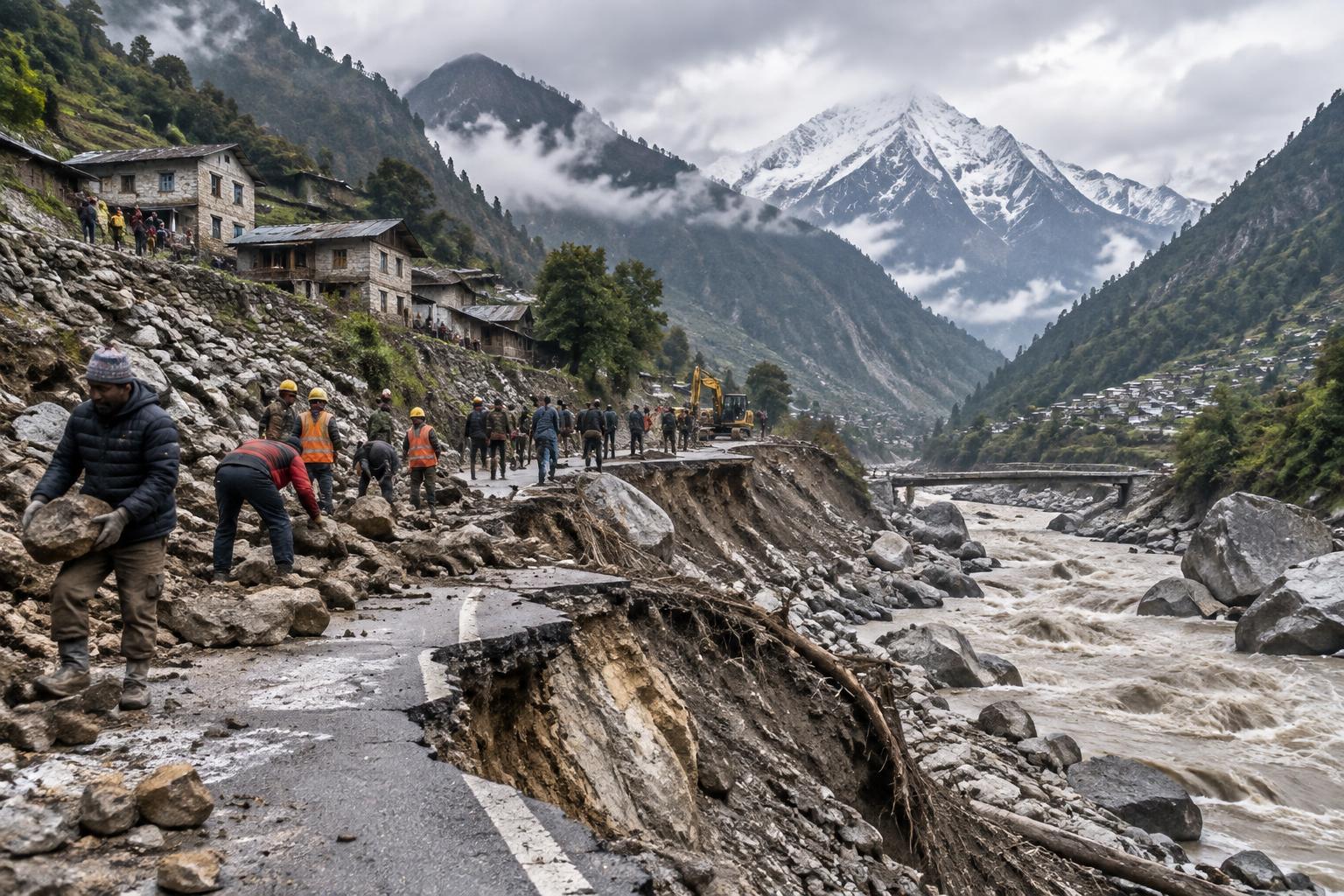
One month after a catastrophic flood swept through Himalayan valleys near the Nepal-China border, families are still waiting for news of missing relatives while Nepal confronts an immense recovery and reconstruction task.
Nepal’s disaster authority said 1,451 bodies had been recovered by September 24 and more than 5,700 people remained missing. The figures have changed as district authorities verify reports, and they should be treated as provisional. The disaster also caused deaths and disappearances across the border in Tibet.
Scientists and disaster officials say a mass of ice and rock broke from Langtang Lirung on August 26 at an altitude of about 5,200 metres. It fell onto a glacier and sent debris into the Lhende river system. According to a geologist from the International Centre for Integrated Mountain Development, the flow travelled about 20 kilometres and descended 1,700 metres at Rasuwagadhi in roughly seven minutes.
The speed and sequence of the event exposed limits in warning systems designed mainly to monitor rainfall and river levels. A high-altitude collapse can trigger a chain of avalanches, temporary dams and sudden floods before downstream communities receive useful warning.
Roads, bridges, homes and hydropower facilities were destroyed or buried. Helicopters continued to deliver food and medicine to isolated areas weeks later. Identification of victims has also been difficult, with overwhelmed facilities and many foreign workers, tourists and pilgrims among those reported missing.
Prime Minister Balendra Shah planned to use the UN General Assembly to seek international support and make Nepal’s case for climate justice. Researchers have linked warmer conditions to growing risks in high mountain environments, but attributing one disaster requires careful scientific analysis. The immediate trigger—a large ice-and-rock collapse—is documented; the precise contribution of long-term climate change continues to be assessed.
Survivors have asked for homes, livelihoods and sustained attention after international headlines move on. Recovery will require more than emergency aid: safer infrastructure, cross-border warning systems, mental-health support, transparent missing-person records and long-term investment in mountain communities.
GOD News reports casualty totals with their source and date because they remain subject to revision. Behind every number is a person whose family deserves accuracy rather than haste.
Reader conversation
Comments
Checking your sign-in…
No approved comments yet.